
1. Air Dry vs Blow Dry Hair: Understanding the Main Differences
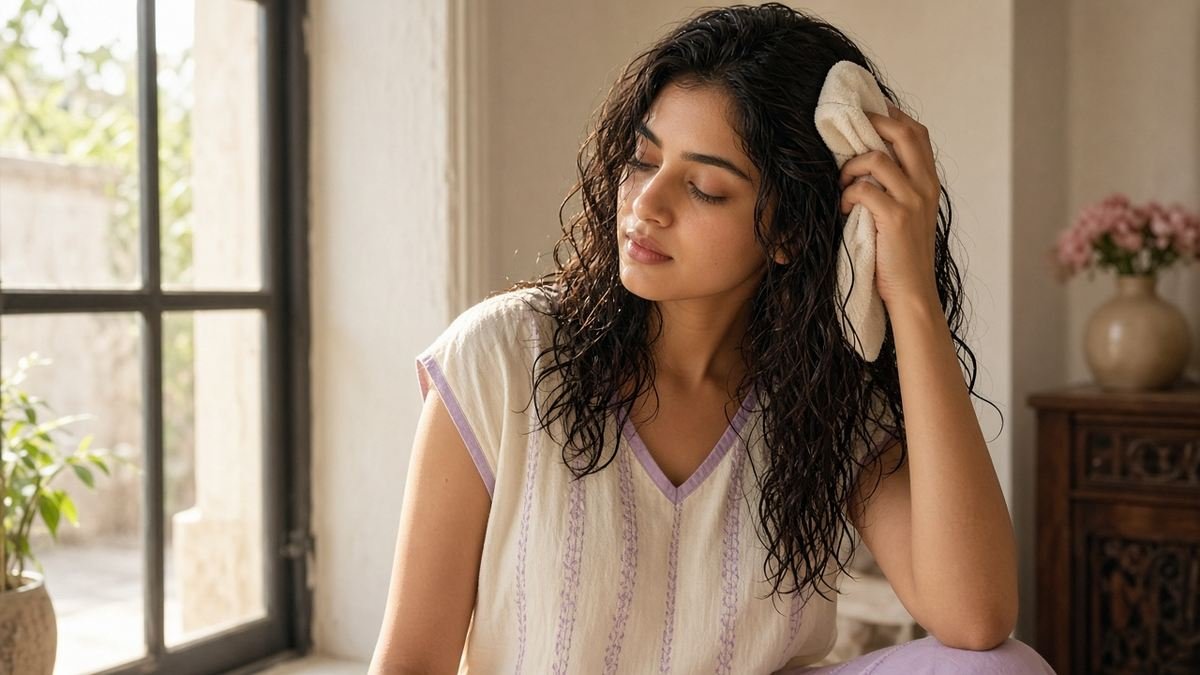
Air drying means allowing your hair to dry naturally after washing. You can gently squeeze out excess water with a soft towel and apply suitable styling products before letting your hair dry. This method requires little equipment and avoids direct heat from a hair dryer. Blow drying uses a hair dryer to remove moisture while shaping the hair. You can use a brush to smooth straight hair, lift the roots for volume or attach a diffuser to help define curls and waves.
Air Drying vs Blow Drying: Pros and Cons
| Factor | Air Drying | Blow Drying |
| Speed | Usually slower | Usually faster |
| Heat damage | Avoids direct dryer heat | Excessive heat may damage the hair cuticle |
| Volume control | Offers less styling control | Makes root lifting and shaping easier |
| Frizz | May reduce heat exposure but can leave hair frizzy | Can smooth hair when used with suitable technique |
| Cost | Usually costs nothing extra | Requires a hair dryer and may require styling products |
| Best for | Low-heat routines and natural styles | Faster drying, smoother finishes and more controlled styles |
Neither method is automatically best for everyone. Air drying avoids direct heat, while careful blow drying can shorten the time hair remains wet. Your hair texture, condition and styling goals should guide your choice.
2. Is Air Drying Better Than Blow Drying for Hair Health?
The better method depends on how you dry your hair and how much heat or friction you use. Air drying uses no heat, which can benefit hair that is dry, fragile or chemically treated. It also reduces the need for styling tools and electricity. However, wet hair is more vulnerable to stretching and breakage. Rubbing it with a towel, pulling it through a brush or tying it tightly while wet can cause unnecessary stress. Long periods of wetness may also affect some hair structures, although the amount of risk varies. Blow drying can be a reasonable option when you use low or medium heat, keep the hair dryer moving and avoid holding it too close to your hair.
Does Blow Drying Damage Hair?
Yes, blow drying can damage hair when you use excessive heat or combine heat with rough brushing and pulling. The risk depends on the temperature, distance from the hair and frequency of use. In the 2011 study Hair Shaft Damage from Heat and Drying Time of Hair Dryer, researchers examined hair samples after repeated washing and drying. They found that surface damage increased as the drying temperature rose. The highest-temperature treatment produced the most visible cuticle damage. The study also found changes in the cell membrane complex in naturally dried samples, possibly because the hair remained wet for longer.
This does not mean that air drying is always harmful. The researchers used controlled laboratory conditions, and more research is needed to understand how these results apply to everyday hair care. For a balanced routine, remove excess water gently and avoid both prolonged wetness and excessive heat. If you use a hair dryer, keep it at a reasonable distance and move it continuously.
3. Air Drying and Blow Drying for Different Hair Types
Your hair type affects how it dries, how much volume it holds and which styling products work best. Choose your drying method based on your texture and the finish you want.
Straight and Fine Hair
Straight or fine hair can become flat when you apply heavy styling products. Air drying may work well if you prefer a natural finish and want to limit heat exposure. For more volume, apply a lightweight product at the roots and let your hair air dry until damp. You can then lift the roots with a hair dryer on a low or medium setting. Avoid applying too much oil or rich cream, as these products may weigh down fine strands.
Wavy Hair
Wavy hair often benefits from mousse, a lightweight leave-in conditioner or curl cream. Apply a small amount to damp hair and gently scrunch it to encourage the natural wave pattern. Air drying can help you maintain a relaxed, natural finish. If you want faster drying, use a diffuser on low heat and avoid touching your hair too often while it dries. Frequent brushing can disrupt the wave pattern and increase frizz.
Thick Hair
Thick hair usually takes longer to dry because there is more hair to manage. You can partially air dry it and then blow dry on medium heat to finish. Divide your hair into sections so the airflow reaches the inner layers. Use a heat protectant before blow drying and keep the hair dryer moving. This approach can reduce drying time without requiring you to expose every section to heat for longer than necessary.
Curly and Coily Hair
Curly and coily hair can be more prone to dryness and visible frizz, so gentle handling is important. Apply a leave-in conditioner or curl cream to damp hair and avoid brushing it when dry if brushing disrupts your curl pattern. Air drying can preserve your natural curl shape without direct heat. If you prefer a faster method, use a diffuser on a low heat and airflow setting. Avoid pulling curls straight with a brush, and allow your hair to cool before touching or reshaping it.
4. How to Air Dry Hair Without Frizz and Choose the Right Products
Frizz can occur because of friction, humidity, dryness or disruption to the hair’s outer surface. A few simple habits can help your hair dry more smoothly without relying on heat.
Step 1: Remove Excess Water Gently
Use a microfiber towel or soft cotton T-shirt to squeeze water from your hair. Avoid vigorous rubbing because friction can roughen the hair surface and encourage breakage.
Step 2: Detangle With Care
Use a wide-tooth comb to detangle damp hair gently, starting near the ends and working toward the roots. If your hair is curly or coily, detangle it while it is wet and coated with conditioner when appropriate for your routine.
Step 3: Choose Products for Your Hair Type
The right product can help manage frizz and improve the final result.
- Fine hair: Choose lightweight leave-in products or a small amount of mousse.
- Straight hair: Consider a lightweight smoothing cream if you want a sleeker finish.
- Wavy hair: Use mousse or curl cream to support your natural wave pattern.
- Curly or coily hair: Try a leave-in conditioner or curl cream to improve manageability and definition.
- Thick or dry hair: A richer cream may help, but use enough to coat the hair without making it feel heavy.
Start with a small amount and add more only if needed. Too much product can leave the hair greasy or weighed down.
Step 4: Let Your Hair Dry Before Bed
Whenever possible, give your hair enough time to dry before sleeping. Going to bed with very wet hair may increase friction against your pillow and make tangles more likely. If you need to protect your hairstyle overnight, consider a loose style rather than a tight braid or ponytail.
5. Blow Drying Hair Tips for a Healthier Styling Routine
If you prefer blow drying, a few adjustments can help you achieve a smooth finish while limiting unnecessary heat exposure.
Step 1: Towel Dry Your Hair First
Gently squeeze excess water out with a microfiber towel or soft T-shirt. Let your hair air dry until it is damp rather than dripping wet. This reduces the time you need to spend using the hair dryer.
Step 2: Apply Heat Protectant
Apply a heat protectant according to the product instructions before using the hair dryer. It can help reduce heat-related damage, but it does not eliminate the risk completely.
Step 3: Divide Your Hair Into Sections
Towel dry your hair, then divide it into sections. Smaller sections make it easier to dry your hair evenly and reduce the need to repeatedly work on the same area.
Step 4: Use a Low or Medium Heat Setting
Choose a hair dryer with adjustable heat and airflow settings. Start with low or medium heat and avoid directing very hot air at one spot for too long. Keep the hair dryer moving and hold it at a comfortable distance from your hair. A distance of around 15 cm is a useful starting point, although the ideal distance depends on your dryer and the heat reaching your hair.

Step 5: Use the Right Attachment
A nozzle can help direct airflow along the hair shaft for a smoother finish. A diffuser spreads airflow more gently and can help define curls and waves. Avoid brushing too hard or pulling the hair tightly while drying. Use gentle tension and stop if the hair feels excessively hot or uncomfortable.
Step 6: Finish With a Cool Setting
If your hair dryer has a cool setting, use it briefly at the end of styling. This can help cool your hair after heat styling and complete your routine without adding more heat. You do not have to choose only one drying method. Air drying until your hair is damp, followed by careful blow drying, can offer a practical balance between drying time and styling control.
Conclusion
When comparing air dry vs blow dry hairstyling, neither method is the right choice for everyone. Air drying avoids direct heat and can suit natural styles, while blow drying offers faster results and greater control over volume and shape.
For healthier-looking hair, remove excess water gently, choose products that suit your texture and avoid excessive heat or friction. You can air dry on relaxed days and use a hair dryer carefully when you want a more polished style. A balanced routine is often more practical than relying on just one method.
FAQs
1. Is air drying better for hair than blow drying?
Air drying avoids direct heat from a hair dryer, but it is not always the best choice for every hair type or routine. Wet hair needs gentle handling, and prolonged wetness may affect some hair structures. If you prefer blow drying, use moderate heat and keep the dryer moving to limit unnecessary exposure.
2. Can blow drying lead to hair breakage?
Yes, excessive heat, rough brushing and pulling can contribute to hair damage and breakage. Use a heat protectant, detangle gently and avoid holding the hair dryer close to one section for too long. If your hair is already fragile, reduce heat styling and handle it carefully when wet.
3. How do I air dry my hair without frizz?
Start by squeezing excess water out with a microfiber towel or soft T-shirt instead of rubbing your hair. Gently detangle with a wide-tooth comb and apply a leave-in conditioner suited to your hair type. Use mousse or curl cream for waves and curls if needed, and avoid repeatedly touching your hair while it dries.
4. Which is better for curly hair: air drying or blow drying?
Both methods can work for curly hair. Air drying avoids direct heat, while a diffuser can help curls dry faster and maintain their shape. For blow drying, use low heat and airflow, apply a suitable heat protectant and avoid pulling or brushing curls roughly.
5. Can I air dry my hair before blow drying?
Yes. Let your hair air dry until it is damp rather than dripping wet, then apply heat protectant and blow dry on a low or medium setting. This combination reduces the time spent using heat while allowing you to shape your hair. Keep the dryer moving and avoid excessive heat.