




You buy expensive hair products. You follow all the routines. Your curls still look dry, frizzy and unhappy. You think there’s something wrong with your hair. There’s not. There’s something wrong with how you’re caring for it. The real issue? You probably have low porosity hair and you’re using hair care products made for other hair types. Let me explain what that means and why it changes everything.
In This Blog
What Is Low Porosity Hair?
Low porosity hair sounds fancy but it’s actually simple. Porosity is just how easily your hair absorbs water and moisture. Low porosity hair has a tight cuticle layer. Like, really tight. Think of shingles on a roof all facing down. Because of that tight cuticle, water and moisture have a hard time getting IN to your hair. Which means all those expensive moisturizing products you’re using? They’re sitting on top of your hair, not penetrating. Your curls feel dry even though you’re using moisturizing products.
That’s low porosity hair.
How to Tell If You Have Low Porosity Hair?
Don’t guess. Actually test it.
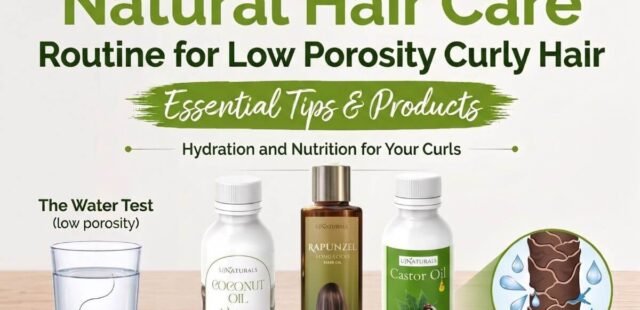
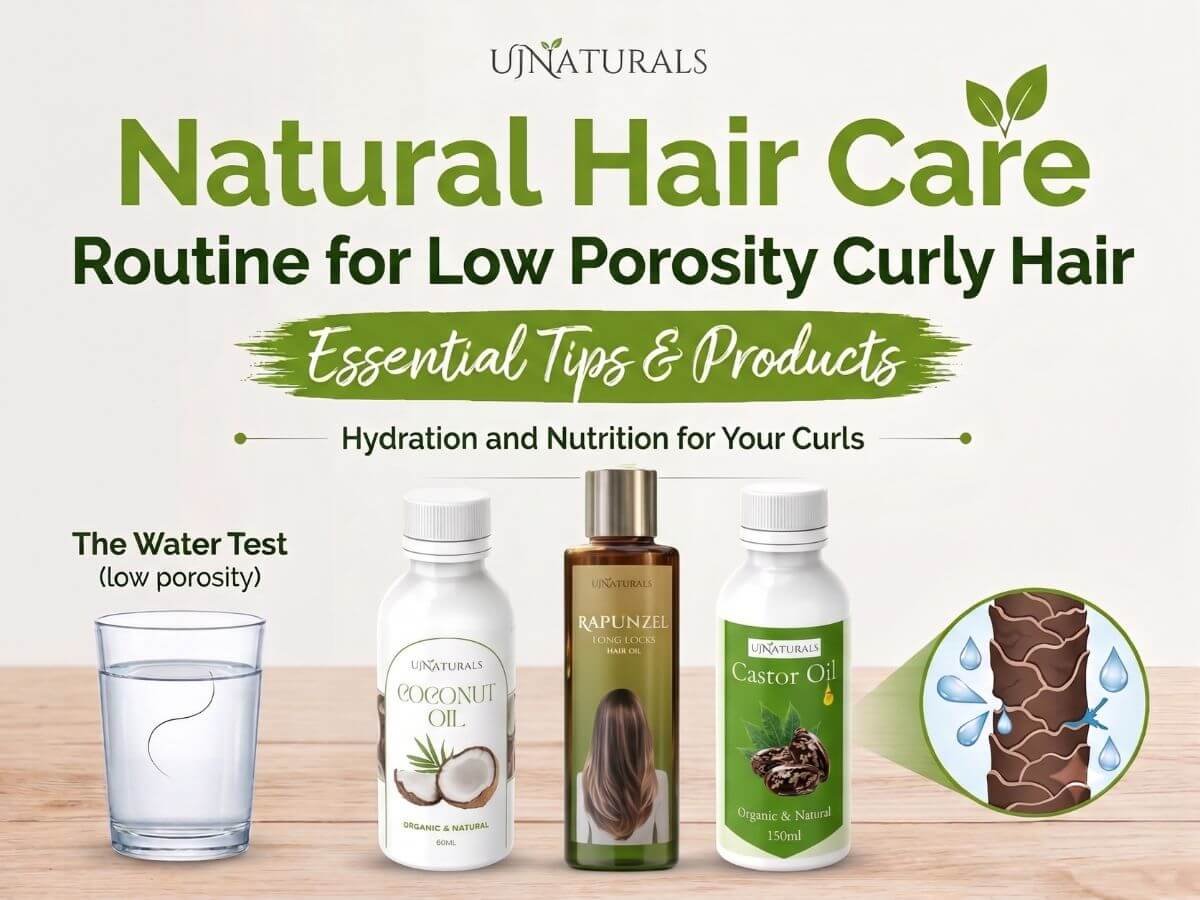
The Water Test
Take a strand of your hair. Drop it in a glass of water.
Low porosity hair floats on top of the water. It doesn’t sink.
Why?
Because the cuticle is so tight water can’t get in, so the hair stays light and floats
The Curl Feel
Your curls feel dry. No matter what you do. Even right after you moisturize
You use heavy products but they don’t help. They just make your hair feel heavy and gross.
The Drying Time
Your hair takes forever to dry. Like, actually forever.This happens because water can’t penetrate the cuticle layer easily.
If this sounds like your hair, you have low porosity hair.
Why Products Usually Don’t Work
Most hair care products are made for normal or high porosity hair.
High porosity hair has an open cuticle. Moisture gets in easily. Those products work great for that hair type.
But for low porosity hair?
Those same products sit on top.
They don’t penetrate. Your curls stay dry underneath. They feel weighed down on top.
It’s the worst of both worlds.
That’s why you need specific products for low porosity hair.
Natural Hair Care Products That Actually Work
Here’s the thing: you don’t need expensive products. You need the right products.
Lightweight Moisturizers
Use lightweight products. Not heavy butters and oils.
Low porosity hair gets weighed down easily. You need products that moisturize without sitting on top.
Look for: leave-in conditioners, lightweight creams, water-based products.
Hydrating Products (Water First)
Use products with water as the first ingredient.
Water penetrates low porosity hair better than anything else.
After water, look for: glycerin, aloe vera, lightweight oils.
Protein Sometimes (Not Always)
Low porosity hair needs protein, but not much.
Protein helps strengthen your curls. But too much makes them stiff and dry-feeling.
Use protein treatments once a month. Not every week.
Natural Oils (But Light Ones)
Not coconut oil. Not Shea butter. Not heavy oils.
Use light oils: jojoba oil, argan oil, almond oil.
These penetrate low porosity hair better than heavy butters.
Avoid Silicones
Silicones coat your hair. They make it feel smooth temporarily.
But for low porosity hair, silicones trap moisture OUT. They make the problem worse.
Read ingredient lists. Avoid anything ending in “-cone.”
Hair Care for Curly Hair (Low Porosity Edition)
Washing
Use cool or cold water when you wash. Hot water opens cuticles. You want them tight (that’s your advantage).
Use a gentle cleanser. Not shampoo that strips. Something that cleanses hairs without drying.
Wash once a week. Not more.
Conditioning
Leave-in conditioner is your best friend. Not a rinse-out conditioner.
Leave-in conditioner stays on your hair. It keeps working.
Apply to soaking wet hair. It penetrates better when your hair is wet.
Styling
Use the praying hands method or squishing. Don’t rake product through.
Raking pulls your curls apart. Praying hands and squishing keep curls together.
Use a microfiber towel or t-shirt to dry. Not a regular towel.
Regular towels create frizz. Microfiber or t-shirt reduces frizz.
Styling Products
Use lightweight gels and creams. Not heavy butters.
Layer products: leave-in conditioner first, then gel or cream.
Wet application works better than dry application for low porosity hair.
Your Actual routine for Low porosity Hair care
Once a Week Wash Day:
Step 1:
Cool water rinse
Step 2:
Gentle cleanser
Step 3:
Soaking wet hair, apply leave-in conditioner
Step 4:
Apply lightweight gel or cream
Step 5:
Praying hands method or squishing
Step 6:
Microfiber towel or t-shirt to dry Step 7: Air dry or diffuse
Between Wash Days:
If your curls look dry, spray with water and reapply leave-in conditioner.
Don’t use new products. Just reactivate what’s already there.
Monthly:
Use a protein treatment. Just once a monthLow porosity hair needs protein but not much.
The Most Important Thing
Stop fighting your hair type. Your low porosity hair isn’t broken. It’s not bad. It’s just different.
Once you understand it, everything changes.Use the right products. Use less of them. Apply to wet hair. Keep it hydrated.Your curls will be healthier. Happier and more defined.
Start Here
1. Throw out the heavy products.
2. Get a lightweight leave-in conditioner.
3. Use water-based products.
4. Apply to soaking wet hair.
5. Give it 4-6 weeks.
6. Watch your curls come back to life.
That’s it.
Your hair has been waiting for this.
FAQs
Q: Why does using products leave my hair feeling crunchy?
You’re overusing the product. Hair with less porosity demands less. Start with half of the bottle’s contents.
Q: Can coconut oil be used on hair with low porosity?
Not as the primary item. Coconut oil has too much weight. It sits on top of your hair and makes it feel greasy. Instead, choose argan or jojoba.
Q: How often should I deep condition?
Every month. Not each week Too much deep conditioning makes low porosity hair stiff.
Q: My curls are out of shape. What should I do?
Most likely, you’re using heavy products. Make the switch to lighter items. Apply to damp, soaking hair. Reduce product use.
Q: Should my curly hair be brushed?
No. Curls are broken by brushing. If you need to detangle wet hair, use your fingers or a wide-tooth comb.
Q: When will I begin to see results?
Allow 4-6 weeks. It takes time for your hair to get used to new methods and products.
Q: Can regular conditioner be used on hair with low porosity?
The typical rinse-out conditioner is ineffective. Instead, use a leave-in conditioner. It penetrates more deeply.
Q: Why remains my hair dry?
You’re either not using enough water or using the wrong products. Products with a water base and wetting are required for low porosity hair.